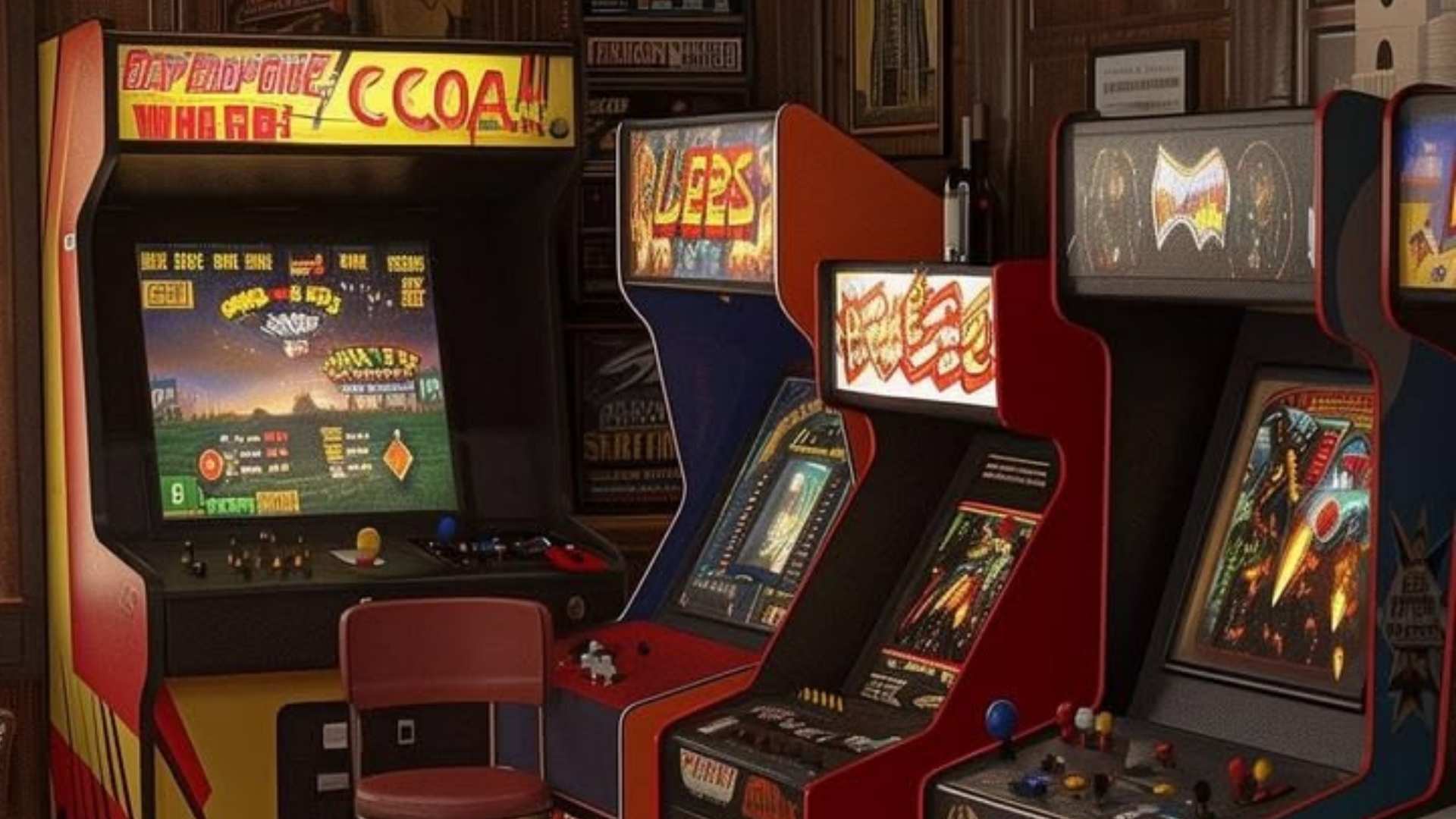
The digital puzzle landscape has shifted dramatically, moving far beyond basic math drills into sophisticated realms that challenge our cognitive abilities in new ways. Modern enthusiasts are constantly seeking smarter number game experiences that combine tactical depth with psychological satisfaction. Engaging with these refined digital structures allows individuals to actively exercise critical thinking skills while enjoying highly dynamic forms of intellectual entertainment.
The Shift Toward Adaptive Game Mechanics
Traditional numerical puzzles often relied on static grid configurations that could eventually feel repetitive for experienced players. Smarter gaming platforms now incorporate advanced algorithms that analyze user choices and adapt subsequent puzzles to match unique skill levels. This intuitive design keeps the difficulty balanced, effectively preventing early boredom while ensuring that individuals are always facing a meaningful intellectual workout.
Furthermore, these adaptive systems foster a deeper sense of personal progression as the challenges grow more intricate over time. Players are encouraged to step away from predictable counting habits and instead develop multi-layered strategies to navigate complex variable sets. Navigating these modern platforms can be seamlessly enhanced by visiting reliable digital hubs such as m88 alternatif for insights on interactive layouts. This ongoing evolution in game design ensures that mental stimulation remains fresh, highly motivating, and perfectly aligned with individual capabilities.
Strengthening Cognitive Resilience Through Play
Regular interaction with complex number games stimulates key regions of the human brain responsible for sequential data processing and working memory. When players evaluate strict deductive paths, they are reinforcing neural networks that handle daily objective decision-making. Over time, this targeted mental exertion builds long-term cognitive resilience and significantly improves overall focus limits.
Scientific observations also indicate that structured logic exercises assist older adults in maintaining high concentration levels amidst unexpected daily distractions. By approaching these challenges with a measured mindset, individuals can naturally mitigate memory decline while exercising their problem-solving instincts. Overcoming an intricate analytical layout creates a satisfying sense of accomplishment that reduces routine stress levels effectively.
Strategic Planning Over Random Estimation
Succeeding in highly advanced mathematical puzzles demands structured execution and a thorough understanding of underlying positional probability. Novices frequently stumble by making hurried guesses, whereas seasoned players utilize systematic elimination to isolate the most restricted fields. This deliberate tactical approach transforms casual time-wasting into a deeply rewarding study of logical deduction and patience.
Developing an eye for hidden mathematical patterns allows enthusiasts to accurately predict outcomes across large numerical layouts. Tracking past decisions provides a transparent framework for identifying exactly where a certain line of strategic reasoning went astray. Ultimately, mastering these foundational techniques empowers players of all ages to approach complex digital systems with supreme confidence.