Mastering the modern card table requires far more than just receiving a favorable sequence of cards from the dealer during a match. True success lies in a player's ability to evaluate constantly changing variables and execute calculated choices under intense pressure. Cultivating this high level of mental discipline eventually transforms casual enthusiasts into strategic competitors who consistently find a winning edge.
The Analytical Foundation of Poker
Every decision made at the table should be firmly grounded in mathematical probability rather than relying on mere emotional intuition. Skilled competitors constantly calculate complex pot odds and hand equity to determine whether a strategic bet or a timely fold is the mathematically correct play. Over many sessions, relying strictly on these objective metrics minimizes the natural variance inherent in competitive card games.
Furthermore, understanding statistical distributions allows you to construct realistic hand ranges for your opponents instead of guessing their exact cards. This systematic approach shifts your focus away from short-term outcomes and guides you toward long-term profitability. Consequently, disciplined analysts learn to embrace temporary setbacks as standard statistical fluctuations rather than personal failures.
Managing Information Asymmetry
Poker is fundamentally a game of incomplete information where players must constantly piece together subtle clues from their opponents' actions. Assessing table position, history of betting patterns, and physical behavior helps you build a clearer picture of the active hands in play. Navigating this environmental uncertainty successfully requires high levels of situational awareness and the ability to adapt your strategy on the fly.
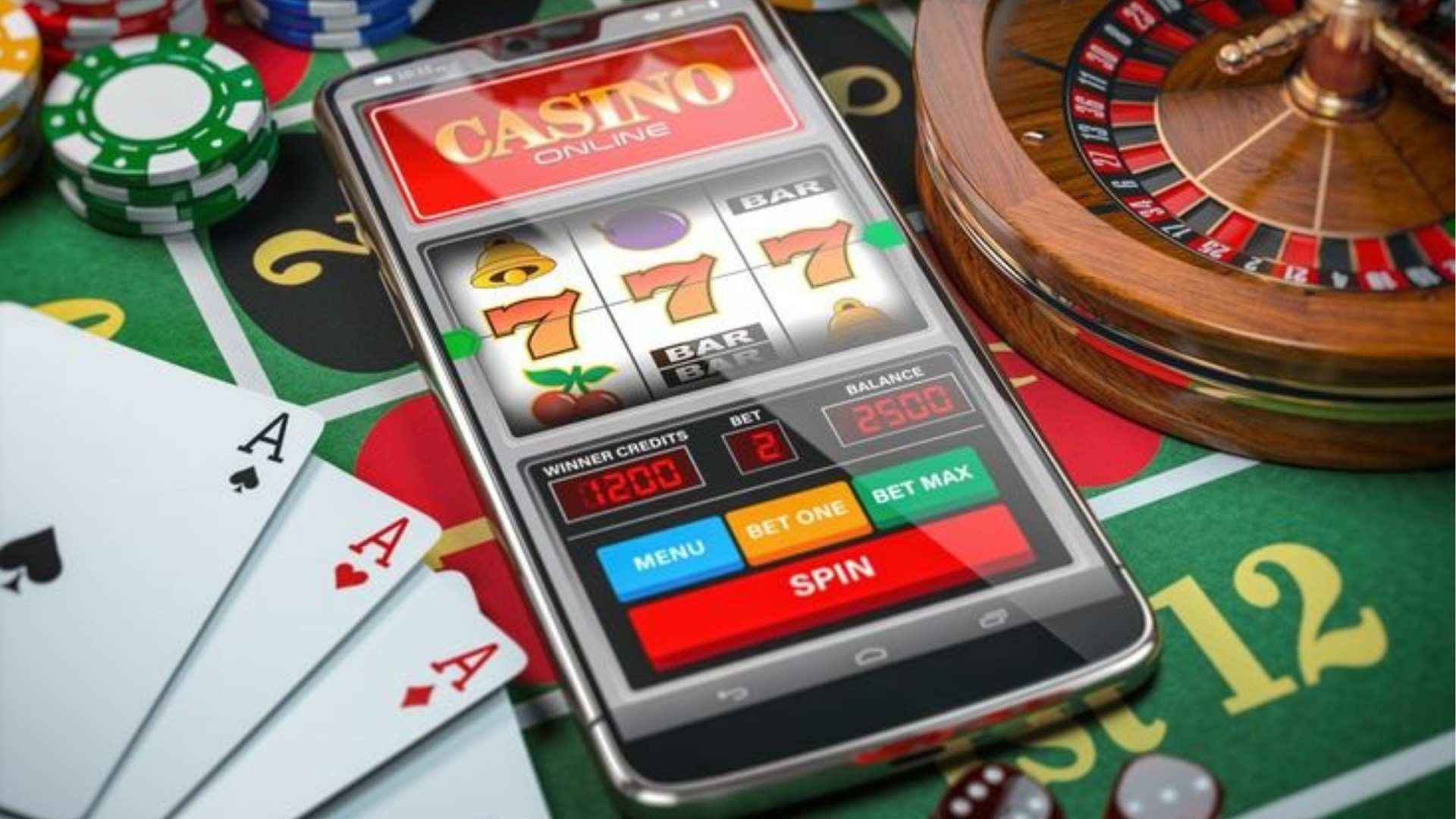
Many modern players choose to refine their analytical skills by studying detailed hand histories and practicing on secure virtual platforms. Accessing your favorite digital tables via a reliable M88.com login offers an excellent environment to test diverse strategies against a wide range of playing styles. Applying these structured insights in real-time matches effectively bridges the gap between theoretical knowledge and practical execution.
Psychological Discipline and the A-Game
Maintaining complete emotional control, which is commonly referred to as preserving your mental focus, is critical for making rational choices. When frustration or impatience takes over your thought process, logical decision-making quickly degrades, leading to highly costly tactical mistakes. Recognizing the early warning signs of mental fatigue or emotional distress allows smart players to step away and protect their bankroll.
Developing a consistent pre-session routine can help establish the calm, focused mental state required to perform at your absolute peak. This deliberate preparation ensures you remain patient during long stretches of unfavorable cards and highly decisive when premium opportunities finally present themselves. Ultimately, psychological resilience and self-awareness are the true markers that separate great strategists from average card players.
Continuous Adaptation and Improvement
The strategic landscape of competitive card gaming is constantly evolving as players worldwide develop new styles and innovative counter-strategies. To remain highly competitive over the long term, you must commit to continuous learning through active study, coaching, or regular peer discussions. Evaluating your past decisions with total honesty prevents complacency and highlights hidden leaks in your current strategic framework.
By treating every single session as a learning experience, you successfully transform occasional mistakes into valuable stepping stones toward mastery. The journey to becoming a smart decision-maker is a continuous process that highly rewards dedication, analytical patience, and intellectual curiosity. Embracing this professional growth mindset ensures your overall strategic capabilities continue to sharpen as the game progresses.