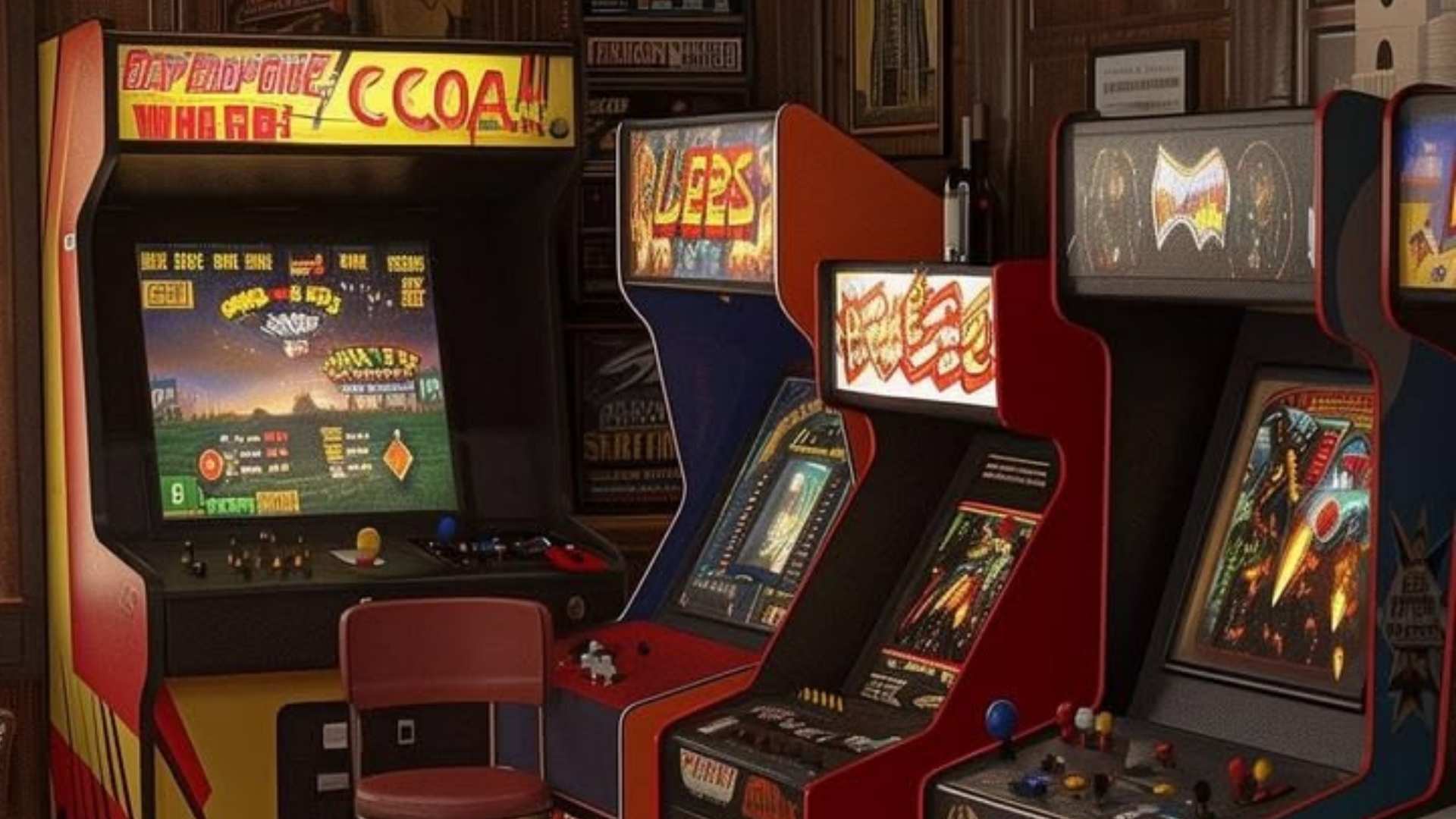
The landscape of modern online gaming is shifting rapidly as developers look for experiences beyond static content. Players are no longer just passive consumers of pre-designed levels; they actively shape their own virtual environments. This evolution is driven by community-driven goals that empower global player bases to unite for collective achievements.
The Rise of Crowdsourced Gaming Objectives
Modern multiplayer platforms are increasingly integrating systems where the entire community works toward a single milestone. These live events track real-time metrics across millions of active participants to unlock exclusive rewards for everyone. This unique structure creates a massive sense of shared purpose that traditional competitive gaming rarely replicates.
By moving away from purely individual high-score chases, developers successfully foster healthier online environments. Players are naturally encouraged to share advanced strategies and help newcomers master complex game mechanics. Ultimately, this collaborative mindset transforms the way global gaming communities interact on a daily basis.
Enhancing Engagement Through Collective Action
Shared digital adventures thrive when the community has the autonomy to set its own challenges and guidelines. Many modern titles now feature integrated toolkits that allow users to generate custom missions, regional tournaments, and creative content. This dynamic layer of participation ensures that the virtual ecosystem remains fresh and engaging for long-term play.
To safely engage with these collaborative platforms, players frequently search for secure entry portals that protect their data. Utilizing a reliable M88.com login helps enthusiasts access advanced gaming environments that support extensive multiplayer networks. These specialized hubs ensure that connectivity remains stable during large-scale community events that demand synchronized team action.
Fostering Real-World Collaboration Skills
Participating in massive online challenges does much more than provide simple entertainment; it builds essential interpersonal skills. Large groups must coordinate their diverse playstyles, manage shared resources, and communicate fluidly across different time zones. These highly interactive activities naturally strengthen social bonds and promote team building among diverse global populations.
As virtual spaces become more complex, the need for structured collaboration becomes increasingly apparent to competitive teams. Groups that develop clear communication strategies and respect flexible roles tend to achieve the highest rankings on global leaderboards. This shared success reinforces the psychological benefits of cooperative play within modern digital spaces.
The Future of Player-Driven Ecosystems
Looking ahead, the integration of user-generated content and smooth matchmaking will continue to redefine the video game industry. Future platforms are expected to offer even deeper customization options, allowing player bases to govern their own competitive seasons seamlessly. This ongoing shift places the creative power directly into the hands of the individuals who keep these worlds alive.
Ultimately, games that prioritize community-powered challenges create more sustainable player retention and organic growth over time. When users feel genuinely invested in the ongoing development of their favorite virtual spaces, they remain dedicated for years. The future of interactive entertainment clearly belongs to these collaborative, player-centric ecosystems.